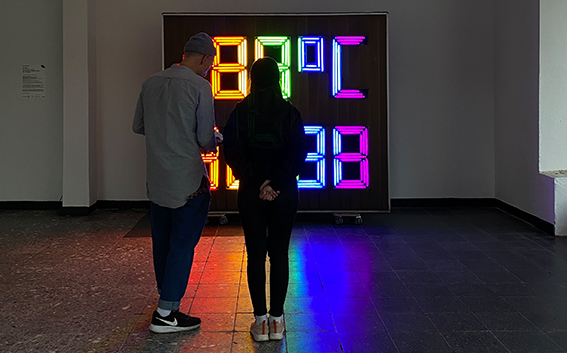
SCHATTEN DER ZEIT - Entwurf Kunst am Bau


Tausend Verbindungen – Von Gesprächen zum Schmelzprozess und zurück
MKB 2026: Site Visit
08. Jun 2026
6.30–8.00 pm
Olof Palme Centre
Demminer Straße 28
13355 Berlin
Oliver Walker’s architectural art concept for the Olof Palme Centre, entitled “A Thousand Connections”, involves dismantling disused electrical appliances. The recovered copper is melted down and cast into a samovar – an object that brings people together and can forge a thousand connections in the process. The discussion leads to stories about origins, memory, technology and change. And in doing so, it poses the central question: When does material become meaningful? And at what point does it become art?
With the artists Oliver Walker and Bernd Trasberger. In German.
About the artists
Oliver Walker (Liverpool, 1980) lives and works in Berlin and uses live art, interventions and new media to examine social and political systems. His projects highlight their impact on everyday life and public space. Walker’s work has been exhibited at venues including the Kunsthaus Graz, FACT Liverpool and Transmediale/HKW; he has also taken part in artist-in-residence programmes in Paris, Yokohama and Bangalore. In 2014, he was nominated for the Berlin Art Prize.
Bernd Trasberger lives and works in Berlin-Kreuzberg and Breitenhagen (Saxony-Anhalt). In his sculptures and installations, he explores the transformation of public spaces and the role of architecture as a repository of social memory. In doing so, he frequently works with reused fragments from buildings due for demolition.
Bernd Trasberger leads the accompanying workshop series Wo ist die Kunst? Kunst am Bau… im Auftrag in connection with the art-in-architecture initiatives for the extension of the Olof-Palme-Zentrum and the new building of the AktionsRaum. He is also a member of the Verein für Kunst und Mediation im Bürgerauftrag (Neue Auftraggeber).


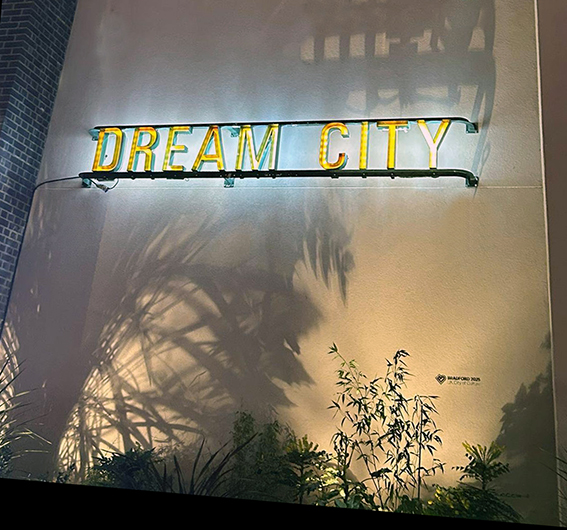
The second part of my commission Signs of the Times for Bradford is finally installed!
DREAM CITY, 2025
original letters from the Kirkgate Center's signage, original aluminum bars
380 x 50 x 15 cm
Symposium
Signs of the Times: Bernd Trasberger, Darley St Market and Bradford’s Post-War Culture
Wednesday 10 December 2025
18:00–20:00
The Wellnest, Darley Street Market, Bradford
Please register for a free ticket here: Henry Moore Institute
Join us for this collaborative event with Bradford 2025 and Bradford Council, celebrating artist Bernd Trasberger’s new sculptural commission, Signs of the Times.
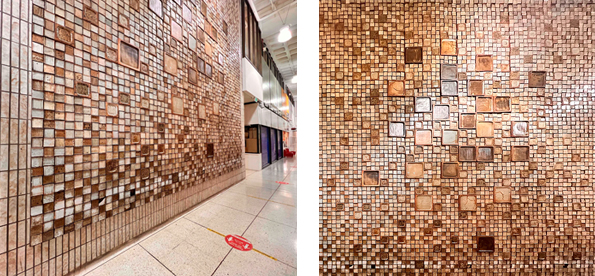
The new work was made in part by repurposing the tiles from a giant frieze previously located in Bradford’s Kirkgate Market.
Speakers include Dr Ellie Brown on post-war British shopping centres and public art and Christopher Marsden on Yorkshire’s post-war architecture and public art.
These presentations will be followed by an in-conversation between Bernd Trasberger and Marion Harrison (Programme Producer, Yorkshire Sculpture International).
Bernd Trasberger shows a film in which he met Frank Maurier the Transform ceramicist, that produced the tiles 50 years ago.
This is the final event in our Research Season Bradford 2025: The Power of Public Sculpture, supported by Bradford 2025, UK City of Culture.
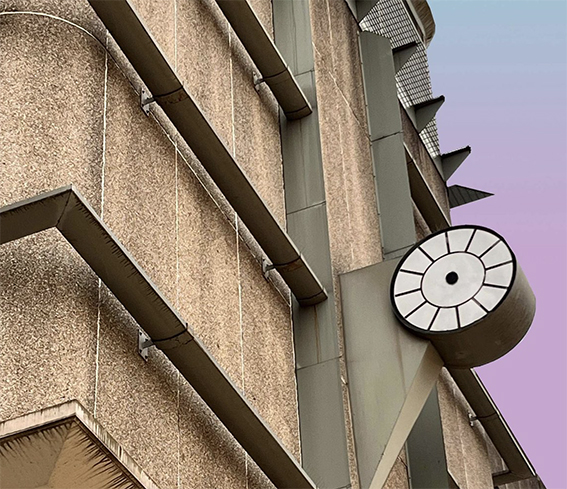
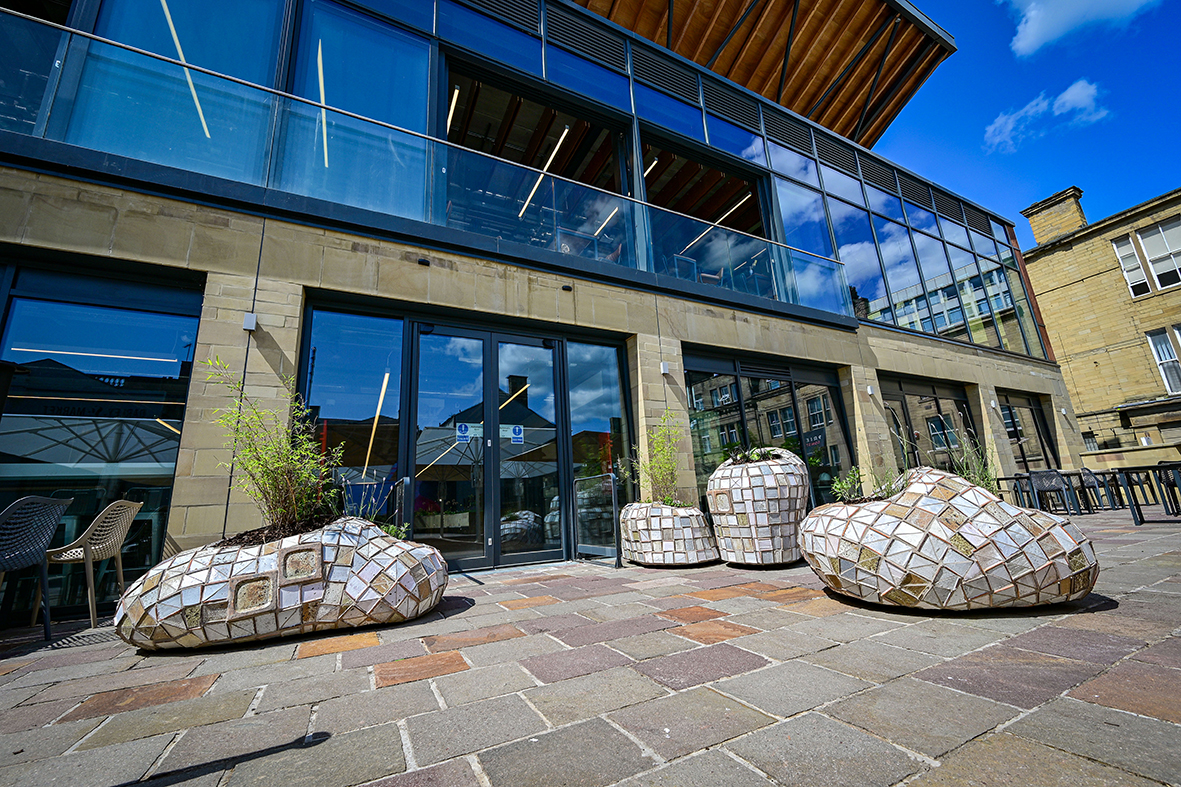
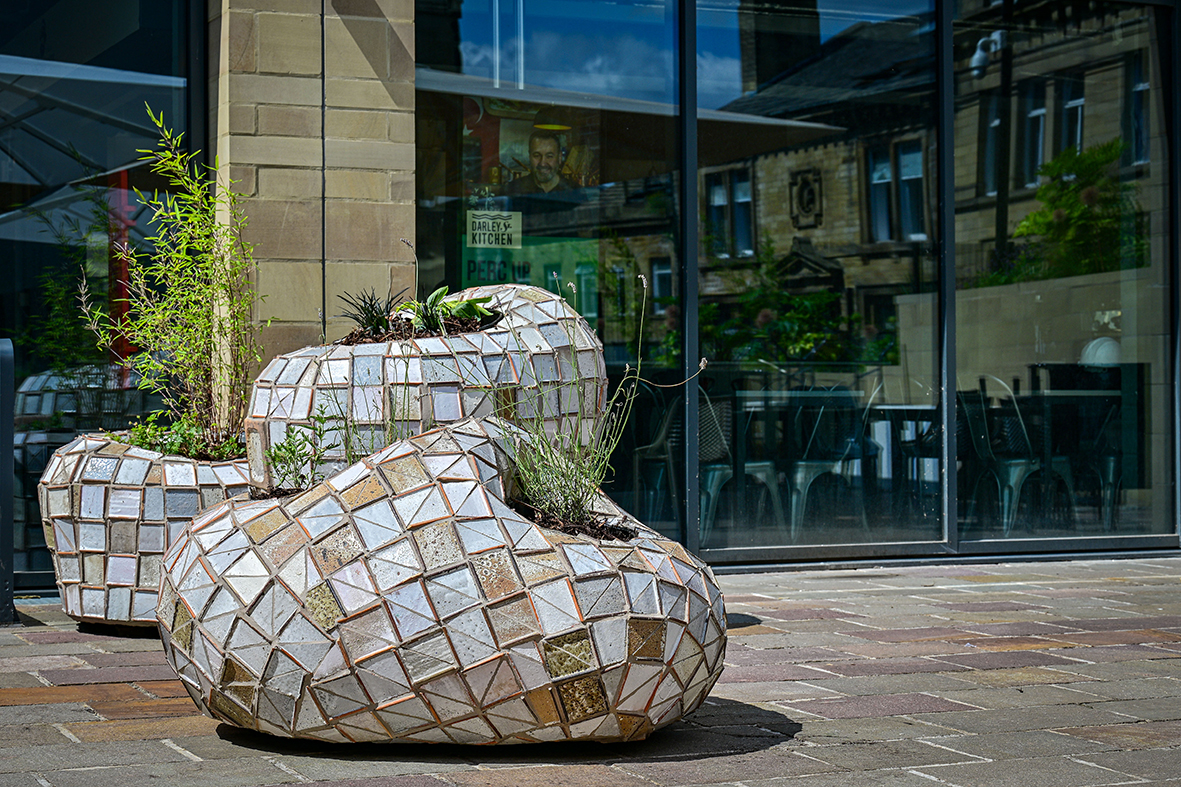
The TRANSFORM PLANTERS 01 - 04are finished and installed at the new Darley Street Market. The sculptures are made from repurposed tiles of a giant wall frieze of the old Kirkgate market next door. Unfortunately the second work of my installation SIGNS OF THE TIMES called THIS IS ALL A DREAM CITY will only be finished later this year. An opening event with Henry Moore Institutewill take place in early December 2025.
On this event Frank Maurier, the ceramicist who created the tiles for the group Transform in the early 1970ies will join a panel along with some other interesting speakers.
I have developed a participatory program for two art in public space competitions in Berlin in collaboration with
Kultur Mitte and Kunst im Stadtraum
First event takes place with future users of Olof Palme Zentrum in Berlin Wedding
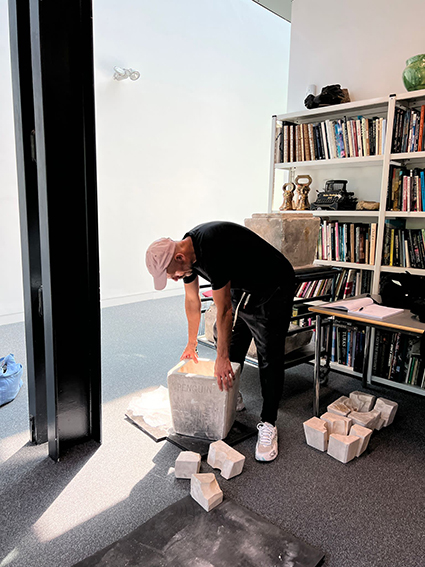
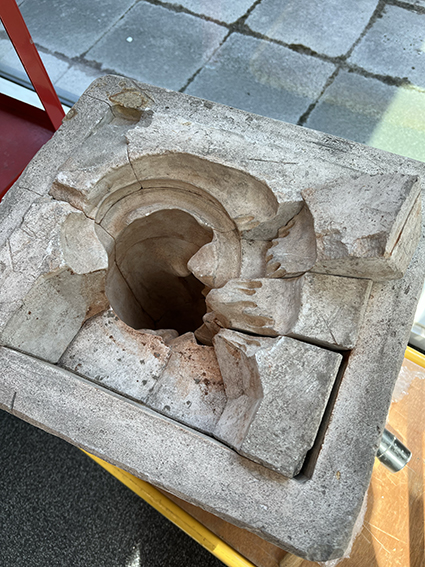
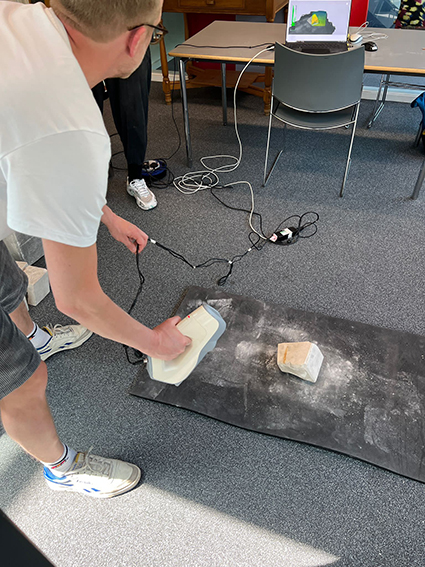
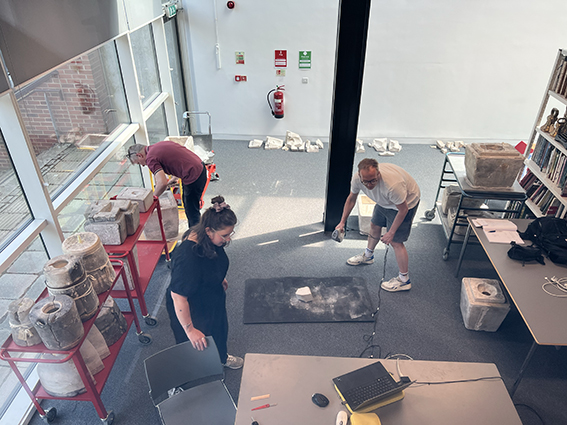
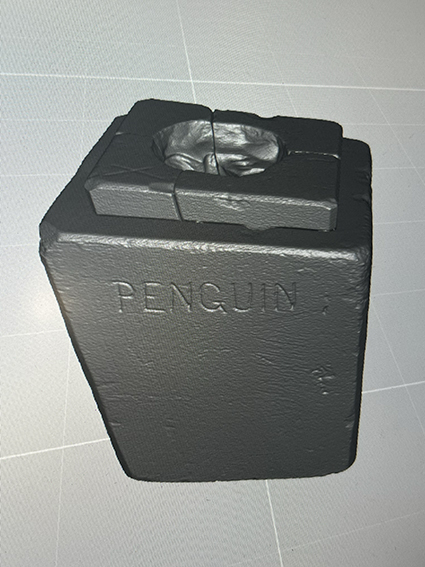
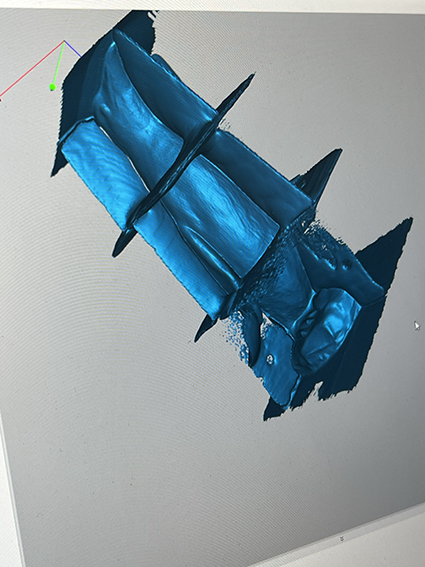
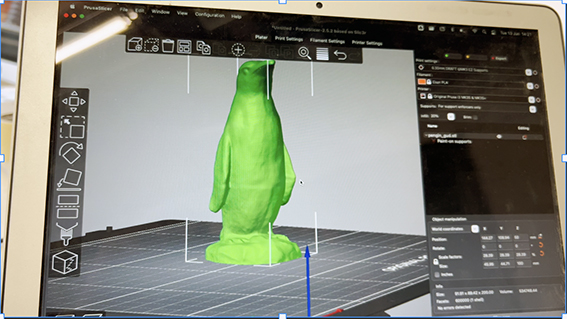
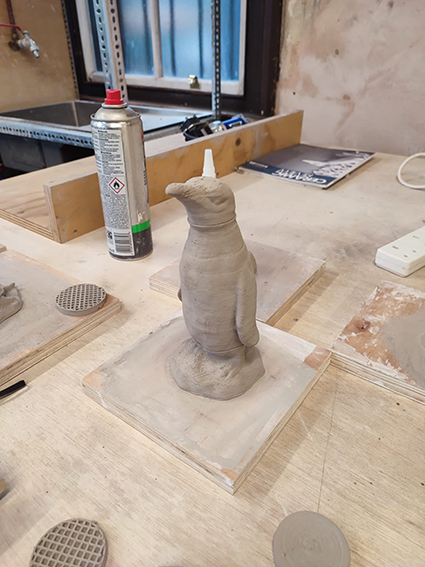
For a permanent work commissioned by East Street Art, Leeds (GB) I am 3D scanning several animal figures inside historic Burmantofts moulds that are stored at the Discovery Center Leeds. After more than 100 years the digital liberation of the animals figures will lead to a new set of ceramic sculptures.
March, 02 2023 at 7:30 pm
Kruh
Technology Center UMPRUM – Mikulandská 5, Praha 1, 110 00
The ship doesn’t belong to Theseus alone
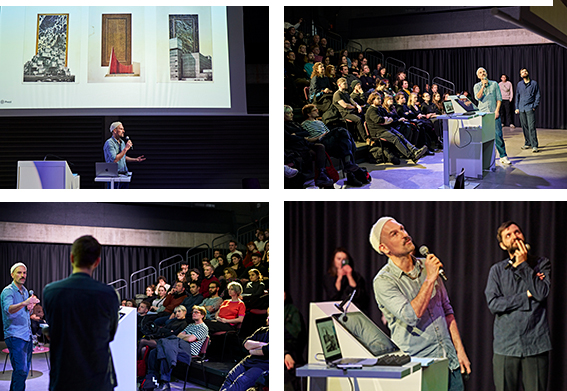
The first event of the new lectures cycle focusing on architecture called Finally! will present an unconventional dialogue between the German architect Thomas Burlon and the German-Belgian artist Bernd Trasberger. The evening entitled The ship doesn’t belong to Theseus alone will focus on collective authorship.
A recording of the lecture can be viewed here.
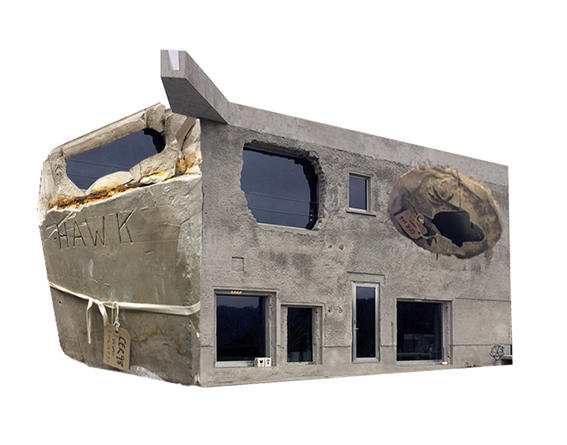
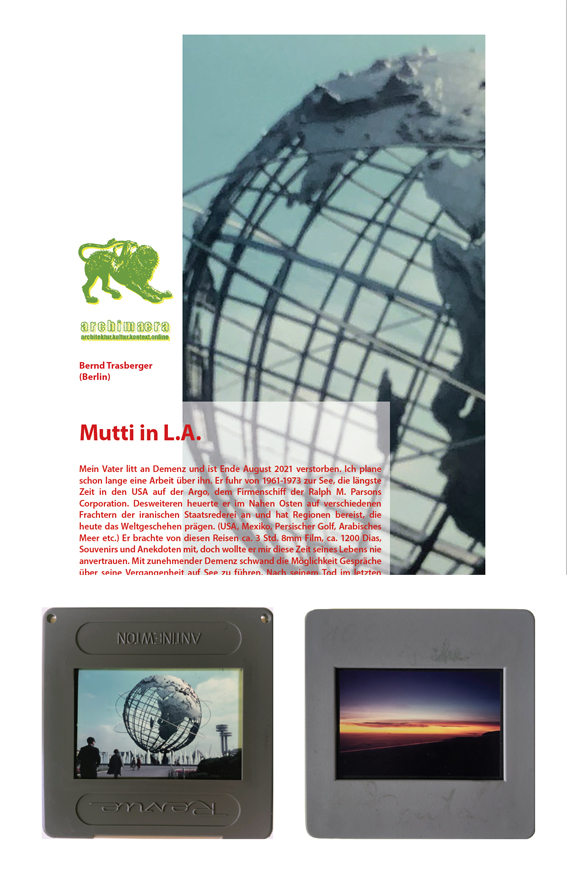
An excerpt of my current book project Mutti in L.A. is published in archimaera #10 Fragment
BETON Berlin 4 with Bernd Trasberger
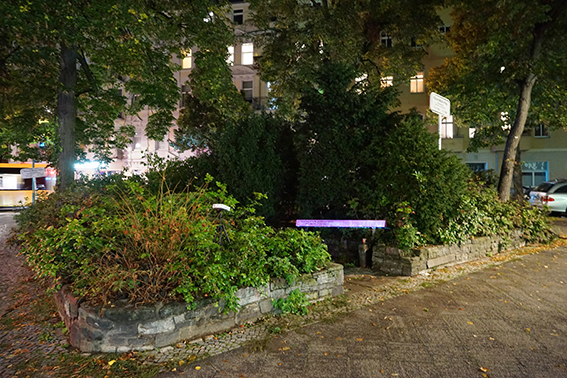
"Benchmarks"
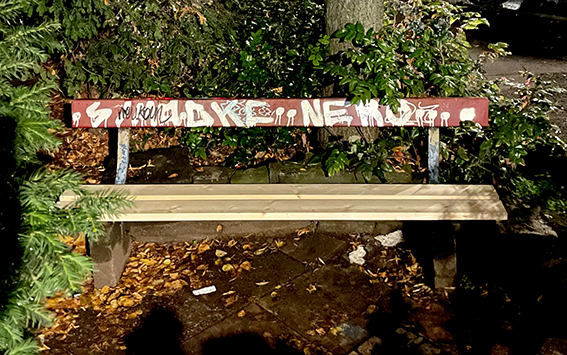
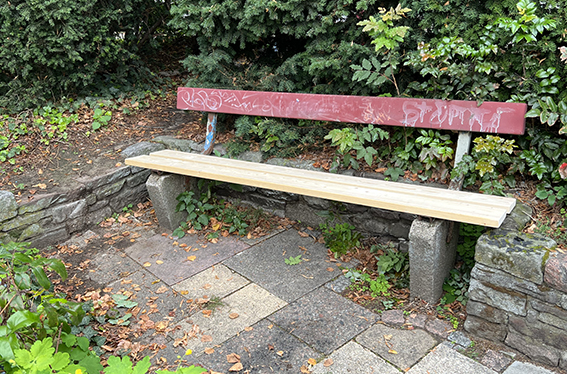
video installation, three chapters (20min loop) + two repaired benches
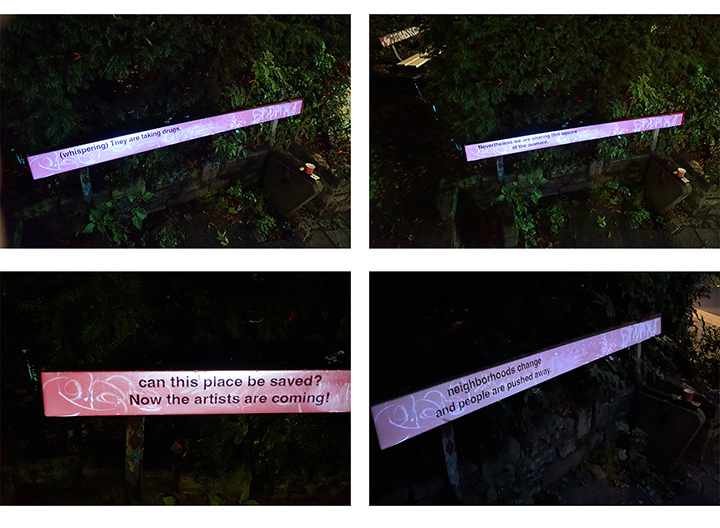
Bernd Trasberger‘s work „Benchmarks“ is a video installation at Eduard-Müller-Platz. It was based on
a conversation with Dutch artist Rob Hamelijnck about the history, present and future of the square. This
is in a strange insular position, sandwiched between three streets, left there orphaned, somehow abandoned to its fate. The work „Benchmarks“ is thus a subjective dialogue in three chapters about this place and the situation found there. The characteristics of the place as perceived by the interlocutors are made clear by the video projection on the backrest of a bench. The surrounding space becomes newly perceptible through the projection in this light. While reading the conversation, however, the supposed specificity of the place repeatedly becomes a „commonplace“ that can be found like this throughout Berlin and other European cities.
Bernd Trasberger is mainly concerned with architecture, public space and the design of urban places. His engagement with this often requires intensive, long-term research with a sociological, architectural-historical or political background. In his collaboration with BETON, Trasberger will examine a location (tba) in Neukölln that has fallen out of view and shed some light on the darkness of the transformation thicket with an artistic presentation for the public. Part of the work "Benchmarks" consists of a conversation with Rob Hamelijnck from Fucking Good Art (Rotterdam).
For the fourth exhibition of the BETON Berlin series on Tuesday, September 27, 7 to 10 pm Bernd Trasberger will occupy a location in Neukölln. This will be announced on short notice via RSVP. Please send an email to info@beton-berlin.com to get a location update.
BETON Berlin is a initiative, following the projects ADN Pförtnerhaus, Statsion, Tacho, CNTRM, when the image is new, the world is new and STRouX, initiated by Christof Zwiener.
I am not using instagram, WhatsApp, Google and all other Big Tech bullshit anymore.
Only social is: Bluesky
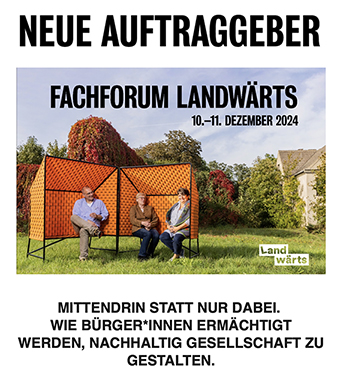
Das Fachforum landwärts 2024 richtet sich an kulturelle Akteur*innen, die in Zusammenarbeit mit der Zivilbevölkerung neue Wege suchen, um Bürger*innen ins Handeln zu bringen und deren Engagement mehr Wirkungsmacht zu geben. Insbesondere in ländlichen Räumen scheint es geboten, das Wissen der Menschen vor Ort zu nutzen und sie zu langfristiger Zusammenarbeit einzuladen, statt nur zeitlich begrenzte Teilhabe anzubieten.
Wie entsteht Kunst auf dem Land als Gemeinschaftswerk? Welche Planungsstrategien gibt es, die mehr Menschen aktiv einbeziehen? Muss Kunst im öffentlichen Raum für ländliche Räume anders gedacht werden? Wie erweitern Institutionen erfolgreich ihr Publikum? Warum sind performative Ansätze gerade auf dem Land so gut geeignet, Menschen zu aktivieren? Diese und andere Fragestellungen werden uns während der zwei Tage begleiten.
Eine Key Note von Claudine Nierth sowie Impulsvorträge in sechs Themenräumen geben Einführungen in die einzelnen Fragestellungen. Arbeitsgruppen und Workshops bieten Gelegenheit zu Austausch und Vernetzung.
Organisiert wird das Fachforum in diesem Jahr von der Gesellschaft für Kunst und Mediation im Bürgerauftrag e.V., dem Verein für Mediator*innen der Neuen Auftraggeber in Deutschland.
My work Stunde Null (2009) is going to be permanently installed at Staatstheater Cottbus
It will be presented on September 06 at 07:30 pm in the course of the following event: Lampenfieber